Rail freight through Iranian ports rises 14% in 5 months on year
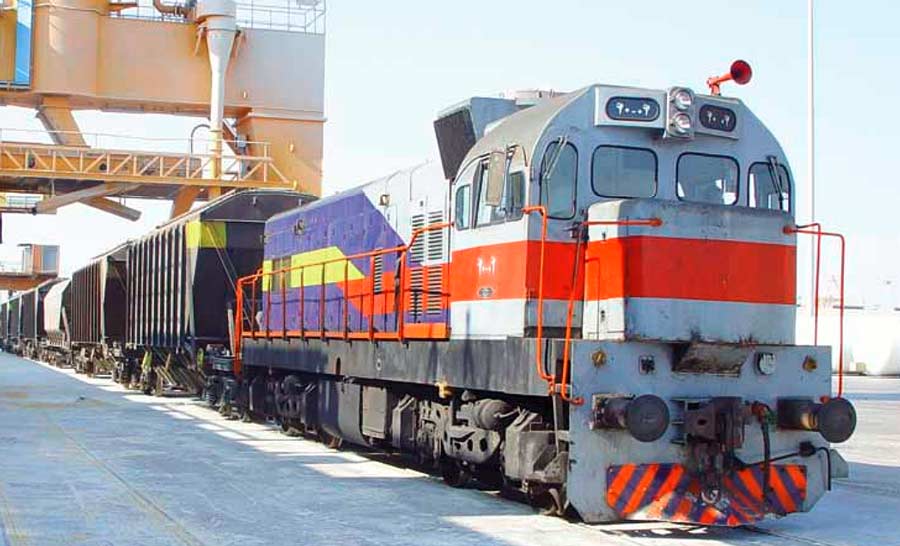
Iran moved about ۳.۶ million tons of cargo through its ports by rail in the first five months of the current Iranian calendar year (March ۲۱-August ۲۲), up ۱۴ percent from the same period last year, the head of commercial affairs at Iran Railways said.
Rail Iran – Abedin Hadinejad Lajimi told state media that trains, with capacities of ۲,۴۰۰ to ۴,۰۰۰ tons, play a vital role in clearing port traffic, cutting air pollution and linking ports to domestic destinations.
He highlighted rail’s safety advantage over roads, citing ۲۶,۰۰۰ annual road deaths, and its fuel efficiency of ۳.۲ cc per ton-kilometer compared with ۳۳.۳ cc for trucks.
He said rail’s share of port cargo rose from ۷.۳ percent last year to nearly eight percent so far this year. Under Iran’s seventh development plan, the target is to reach ۲۵ percent.
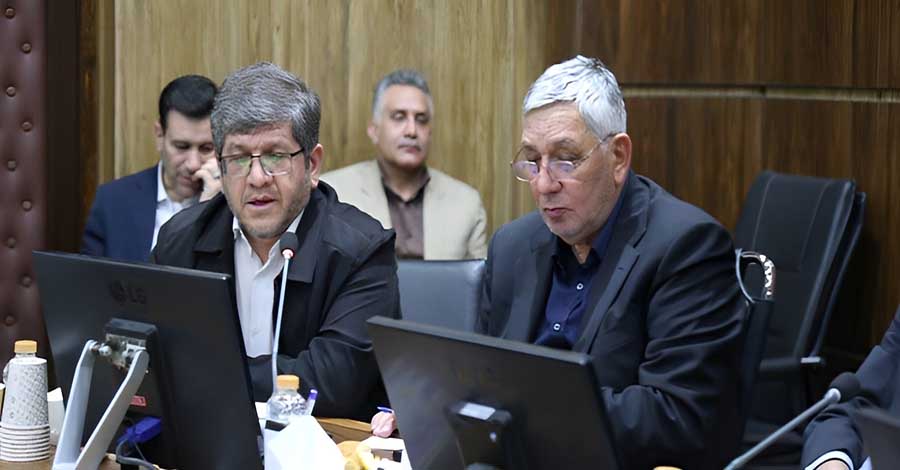
Hamidreza Abaei, executive director of the national ports master plan, also said the current ۷.۵ to ۸.۰ percent share is far below the global average of ۴۰ to ۵۰ percent and stressed the need to expand port-rail links and upgrade infrastructure.
He reported ۸۵ percent progress on the project to connect Chabahar port to the rail network and listed Khorramshahr, Imam Khomeini, Shahid Rajaei and Amirabad as the main ports already linked by rail.
Abaei noted Shahid Rajaei’s leading role in container rail traffic, Imam Khomeini port’s close competition, and Khorramshahr’s ۴۰ percent share, while citing Amirabad’s infrastructure limitations as a drag on its rail use.
He also pointed to challenges, including longer delivery times — one to two days by truck versus about five days by rail from ports to Tehran — which reduce competitiveness. Strengthening internal port infrastructure and improving coordination across sectors are also essential, he said.
Both officials agreed Iran would need to raise rail’s share by about five percentage points each year to meet the ۲۵ percent goal by the end of the five-year plan, requiring major investment and structural reforms in logistics